
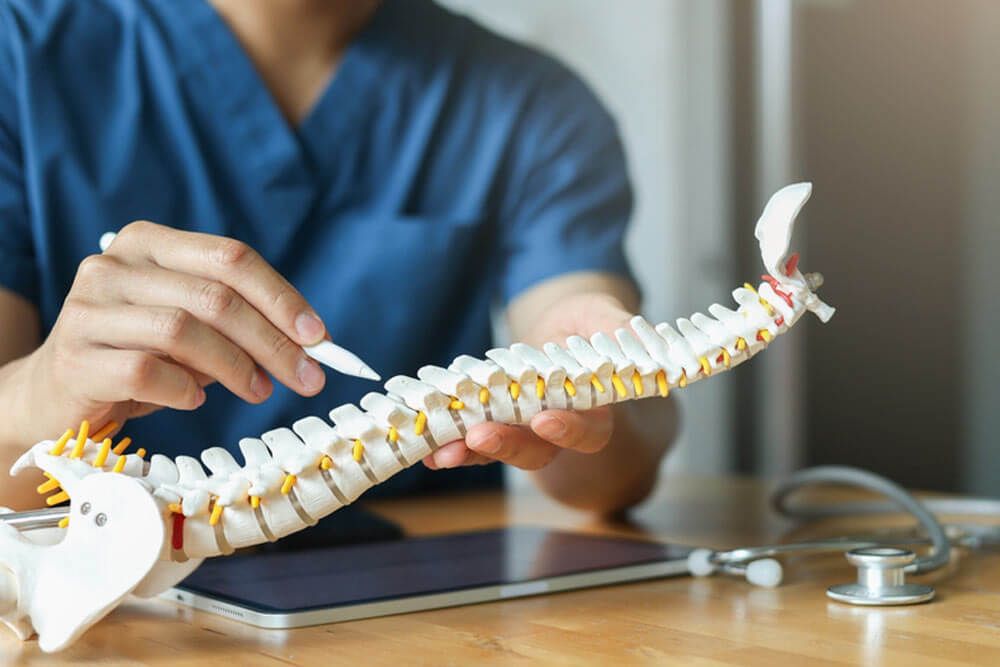
Long Island (Nassau and Suffolk County)’s Premier Spinal Stenosis
Elite Spine Specialists provides expert evaluation and treatment for spinal stenosis across Nassau and Suffolk Counties on Long Island. Our multidisciplinary team of orthopedic and neurosurgical specialists brings over 15 years of collaborative experience to deliver exceptional outcomes. We focus on minimally invasive spine surgery techniques designed to relieve pressure on the spinal cord and nerves while preserving motion and minimizing tissue disruption. Our practice is nationally recognized for maintaining the lowest infection rates, highest return-to-work rates, and superior long-term outcomes, ensuring patients regain mobility and quality of life.
Recognizing the Symptoms of Spinal Stenosis
Spinal stenosis occurs when the spinal canal narrows, placing pressure on the spinal cord and nerves. Early detection is critical to prevent permanent nerve damage. Common symptoms include:
- Pain or cramping in the lower back, legs, or neck
- Numbness, tingling, or weakness in the arms or legs
- Difficulty walking or maintaining balance
- Pain that worsens with activity and improves with rest
- Radiating pain into the shoulders, arms, or legs
- Loss of bladder or bowel control in severe cases
Identifying symptoms early allows for timely intervention, improving the chances of symptom relief and functional recovery.
Why Spinal Stenosis Treatment Is Critical
Spinal stenosis is a progressive condition that can severely impact daily life and mobility. Left untreated, it can lead to chronic pain, nerve damage, weakness, and reduced independence. Conservative therapies, such as physical therapy or medications, may provide temporary relief but often do not address the underlying structural narrowing. Elite Spine Specialists offers specialized care, including minimally invasive decompression procedures, to relieve nerve pressure and restore function. For healthcare providers, referring patients to a team with dual orthopedic and neurosurgical expertise ensures precise diagnosis, comprehensive treatment planning, and superior surgical outcomes. Our Long Island practice accepts commercial insurance, including Aetna PPO and other out-of-network plans, allowing patients to access high-quality care without unnecessary delays. With extensive training from Harvard, Yale, MIT, and NYC institutions, our specialists are uniquely equipped to manage complex spinal conditions effectively and safely.
How Elite Spine Specialists Treat Spinal Stenosis
Our approach to spinal stenosis treatment follows a structured, patient-centered process:
- Comprehensive Evaluation: Patients undergo a detailed medical history review, physical examination, and advanced imaging to determine the severity and location of spinal narrowing.
- Collaborative Treatment Planning: Orthopedic and neurosurgical specialists work together to create a personalized treatment plan, emphasizing minimally invasive and motion-preserving techniques whenever possible.
- Minimally Invasive Decompression or Fusion: Depending on the patient’s condition, procedures may include lumbar or cervical laminectomy, microdiscectomy, or selective fusion to relieve nerve compression and stabilize the spine. Robotic-assisted technology enhances precision and reduces recovery time.
- Postoperative Rehabilitation: Patients receive tailored therapy programs to regain strength, flexibility, and mobility while minimizing complications.
- Ongoing Follow-Up and Outcome Monitoring: Continuous monitoring ensures recovery is progressing as planned and reduces the risk of recurrent symptoms.
This structured approach allows patients to return to daily life and work with reduced pain and improved spinal function.
Preventing Spinal Stenosis Complications
Preventive strategies are essential for maintaining long-term spinal health. Regular core and back-strengthening exercises support spinal stability and reduce the risk of nerve compression. Maintaining proper posture, especially during prolonged sitting or repetitive movements, decreases stress on the spinal canal. Ergonomic adjustments in the workplace, frequent movement breaks, and avoiding heavy lifting with improper technique help protect the spine. Weight management, cardiovascular fitness, and flexibility training reduce degenerative stress on the vertebrae and discs. Early attention to minor back discomfort can prevent progression to severe spinal stenosis. Education on spine mechanics empowers patients to take proactive steps to maintain mobility and avoid chronic nerve-related issues.
Outlook for Patients
Patients treated for spinal stenosis at Elite Spine Specialists can anticipate significant symptom relief, improved mobility, and enhanced quality of life. Minimally invasive procedures reduce recovery time and postoperative discomfort compared to traditional surgery. Many patients experience immediate relief from nerve compression symptoms, such as pain, numbness, or weakness in the arms or legs. Ongoing rehabilitation and follow-up care ensure long-term success and stability. Most patients regain the ability to perform daily activities, return to work, and maintain an active lifestyle. By focusing on motion-preserving and tissue-sparing techniques, we reduce unnecessary fusion procedures and promote sustained spinal health. Our experience treating healthcare professionals and community leaders reflects the trust and expertise patients can rely on.
Frequently Asked Questions About Spinal Stenosis
What causes spinal stenosis?
Age-related degenerative changes, herniated discs, or bone overgrowth often cause spinal stenosis. These factors narrow the spinal canal, putting pressure on nerves.
How is spinal stenosis diagnosed?
Diagnosis typically involves a physical exam, patient history, and imaging studies such as MRI or CT scans. These tools identify the location and severity of spinal narrowing.
What treatments are available for spinal stenosis?
Treatments include conservative options like physical therapy and medications, as well as minimally invasive surgeries such as a laminectomy or microdiscectomy. The approach depends on the severity of symptoms and the extent of nerve involvement.
Is spinal stenosis surgery minimally invasive?
Yes, at Elite Spine Specialists, we prioritize minimally invasive, robotic-assisted procedures to reduce tissue disruption and speed recovery.
Does insurance cover spinal stenosis surgery?
Most commercial insurance plans, including Aetna PPO and some out-of-network benefits, are accepted. Our team assists with insurance verification and preauthorization to streamline the process.
Regain Mobility and Quality of Life
Elite Spine Specialists offers Long Island patients advanced care for spinal stenosis, combining surgical precision, minimally invasive technology, and a collaborative orthopedic-neurosurgical approach. Our focus on motion preservation and tissue-sparing techniques ensures superior outcomes, faster recovery, and long-term spinal health.
Schedule a consultation today to explore personalized treatment options for spinal stenosis. Our Nassau and Suffolk County offices provide compassionate, expert care designed to relieve pain, restore function, and help patients return to their daily activities with confidence.
Learn more about Neurosurgery, Orthopedic Surgery, and Pain Management services in Long Island.
Make an appointment at our Long Island Neurosurgery, Orthopedic Surgery, and Pain Management office.